Blog

Desk Accessories and Devices to Relieve Back Discomfort

create excellent presents for the telecommuters in your circle.

Each of these items is easily accessible for purchase on Amazon, where they are supported by a minimum of 10,000 customer reviews each, resulting in ratings of at least four out of five stars.

Qutool Lumbar Support Cushion

One of the most effective ways to invest in your comfort as an office worker is by acquiring a high-quality ergonomic office chair. While this is optimal, it’s termed an “investment” for a reason: The top-tier office chairs from companies like Herman Miller can easily set you back hundreds of dollars or more. For some cost-effective lumbar support on your chair, consider the <a href="https://r.bttn.io?btn_ref=org-225e4e0aac880b8f&btn_url=https%3A%2F%2Fwww.amazon.com%2FQUTOOL-Lumbar-Pillow-Essentials-Mesh%2Fdp%2FB074C9F45S%2F%3Fth%3D1%26tag%3Dstaticmedia-bgr-custom-20&btn_pub_ref=2043677-in_text-2" target="_blank" rel

Read More
Apple Obtains Rights to Adapt Popular Psychological Thriller ‘The Teacher’

Apple has secured the rights for a feature adaptation of the 2024 hit “The Teacher,” a psychological thriller authored by Freida McFadden. The reveal was made in an exclusive report by Deadline, which noted that the project was obtained in a competitive environment. The adaptation is set to be developed by Spenser Cohen and Anna Halberg, who previously achieved success with their film “Tarot.”

“The Teacher,” released in February 2024, centers on Eve, a high school mathematics instructor who grows wary of a cunning student, Addie, connected to a past controversy involving a former educator. As the narrative unfolds, Eve’s spouse, Nate, who is also an educator, develops a relationship with Addie, resulting in unforeseen twists and a layered story of revenge.

Cohen and Halberg will not only write the screenplay but will also take on the role of executive producers alongside McFadden. Although the project is currently in its initial development phases, specifics about production schedules and release dates have not yet been revealed. Apple has not commented on the acquisition.

Apple TV, which offers a subscription service for $12.99 monthly, showcases a variety of popular series and films, including “Severance,” “The Studio,” “The Morning Show,” “Shrinking,” and “Silo.”

Read More
Norway Transforms Travel with the World’s Lengthiest Undersea Road Tunnel

It will just be a matter of time until Norway hosts the longest and deepest undersea road tunnel in the world. The tunnel is known as “Rogfast,” derived from “Rogaland fastforbindelse” — named after the region where it is located and the Norwegian phrase for “fixed link.” Once finished, Rogfast is projected to be 17 miles in length and 1,286 feet below sea level. Currently, the world’s longest passenger tunnel is the Gotthard Base Tunnel located in Switzerland.

A primary objective of this construction initiative is to eliminate the requirement for ferry transport between the Norwegian cities of Bergen and Stavanger. The tunnel is designed to decrease travel duration by approximately 40 minutes and will feature two distinct tube structures — each containing two traffic lanes — along with a central roundabout that connects drivers to an additional tunnel leading to Kvitsøy island.

Rogfast is merely a component of the comprehensive E39 coastal highway renovation project. At present, traversing the 684-mile E39 highway takes about 21 hours and involves seven ferry crossings. Sometime before 2050, engineers aim to completely eradicate ferries through the construction of tunnels and bridges.

CNN reports that Anne Brit Moen, a project manager at Skanska — the international construction company charged with the northern section of the tunnel — stated: “The tunnel will greatly enhance connectivity along the Norwegian west coast by establishing a quicker and more dependable link between the Stavanger and Haugesund areas.”

Engineering Norway’s Rogfast tunnel

The construction of Rogfast has proven to be an intriguing challenge thus far. The project actually commenced in 2018 but faced a setback in 2019 due to budget overruns, prompting a project reorganization and the cancellation of several contracts. Work resumed in 2021, and the tunnel system is now expected to be finished by 2033. The anticipated cost is projected to reach 25 billion Norwegian kroner, which is approximately $2.4 billion.

Rogfast is being constructed by two firms: the previously mentioned Skanska in the north, and a partnership between Implenia and Stangeland Maskin for the central and southern segments. The northern and southern construction teams are working concurrently, aiming to meet at the midpoint.

The teams have a margin of error of only 1.97 inches, necessitating precise engineering. Such high accuracy levels require advanced construction tools, including a rotating laser scanner designed to collect data points throughout the tunnel. This facilitates the creation of a digital replica of the tunnel, which contractors can compare against the construction plans for discrepancies.

The project has already faced various challenges, including numerous saltwater leaks. Builders must also consider how to prevent air pollution from affecting drivers and are actively developing a sophisticated ventilation system powered by jet fans to expel harmful air from the tunnel.

With that in mind, we wonder if this might encourage more drivers to transition to one of the top electric vehicles, which would help maintain cleaner tunnel air.

Where innovation meets the ocean floor

Norway’s talent for innovation extends beyond underwater endeavors: The city of Bergen has discovered an ingenious way to manage waste by utilizing vacuum tubes that essentially extract garbage from the city, significantly reducing diesel emissions by as much as 90% due to a decrease in garbage truck usage.

While it’s anticipated that the construction of Rogfast will mark the end for numerous ferry-related jobs, this new roadway may positively influence other professions, schooling, and public services. Rogfast should also benefit the seafood industry and local economy, as vendors will have the capacity to operate over a broader area.

The Rogfast initiative is advancing steadily. By 2033, all the hours invested in meticulous planning, measuring, and recalibrating will culminate in an efficient transportation system that will allow Norwegians to travel from A to B more swiftly than ever. Perhaps this creativity will be infectious, leading other congested urban areas and coastlines to begin constructing their own underwater highways.

Read More
AYANEO Pocket PLAY Teaser Trailer Unveiled, Sparking Further Questions

Fingers crossed we won’t have to wait until 2027 for AYANEO’s inaugural phone.

What you need to know:

– Following months of anticipation, the AYANEO Pocket PLAY was officially unveiled in a teaser video.
– This marks AYANEO’s first foray into the smartphone market, following years of concentrating on Android and Windows gaming handhelds.
– The phone boasts a sliding design, reminiscent of the Sony Xperia Play, with controls accessible after sliding the screen upwards.
– While a Kickstarter campaign landing page is active, there are currently no specifics regarding specifications, pricing, or availability.

In early August, AYANEO, creator of some of the finest Android gaming handhelds, began teasing the launch of its first smartphone. Late last night, further details surfaced, as the AYANEO Pocket PLAY was showcased in the teaser video below.

This seeks to be the first phone with an integrated gamepad in at least a decade, as Sony held the patent that officially expires in early 2025. Since that time, we’ve only seen one brand release something even remotely similar to the Xperia Play, with the Anbernic RG Slide arriving in June 2025.

The teaser trailer manages to effectively highlight the phone from all perspectives, although it refrains from offering too many specifics. Consequently, AYANEO has yet to disclose any information about specifications, pricing, or availability.

That said, there are no mysteries regarding the overall design, as the Pocket PLAY appears to consist of a mix of aluminum and glass. One can only wish some plastic is included somewhere, otherwise, this is going to be quite a hefty smartphone.

The screen slides upwards, locking into a flat orientation, which may disappoint those who might have preferred an angled design. Still, after moving the screen aside, we are welcomed with a complete set of gamepad controls.

These exceed the typical ABXY+D-pad layout, as there are two “Smart Dual-Mode Touchpads.” This simply means that each touchpad can function as either a virtual joystick or a trackpad. This is likely similar to the AYANEO Pocket DMG, which features one physical joystick, and a touchpad area that acts as the second joystick.

From there, the Pocket PLAY provides an assortment of other buttons, including the standard Start+Select combination, along with a dedicated AYANEO button. However, there are a few buttons on the front, particularly the red one, whose function remains unclear.

Moving beyond the gaming features, it’s quite likely you won’t see the Pocket PLAY compared to the Galaxy S26 Ultra or iPhone 17 Pro once it launches. At least, not in terms of camera quality. On the back of the phone, there are three cutouts, with the top two containing the sensors and the bottom one designated for the flash.

Even with AYANEO attempting to evoke the nostalgia of a modern Sony Xperia Play, the company faces several challenges. For starters, we remain unaware of the device’s actual price, nor do we know if AYANEO will target global distribution. If that’s the case, it will need to obtain FCC certification for U.S. sales, which is already a significant task, especially for a start-up.

Then there’s the question of when the Pocket PLAY will actually hit the market. Recent launches, such as the Pocket DS and KONKR Pocket FIT, suggest that AYANEO might be having difficulty keeping up with production. Not to mention that they keep unveiling new devices on what seems like a monthly basis.

Nonetheless, when the AYANEO Pocket PLAY is finally released, there’s a strong chance I’ll be looking to get one. Speaking of which, there’s an active Kickstarter campaign landing page, which already has more than 1,000 “followers.” Now, it’s just a matter of playing the waiting game.

A true gaming phone

After the Xperia Play, I never expected to see another Android gaming phone with a sliding mechanism being introduced. Yet, that’s precisely what AYANEO aims to accomplish with the Pocket PLAY, which is quite ambitious for the company’s first smartphone.

Read More

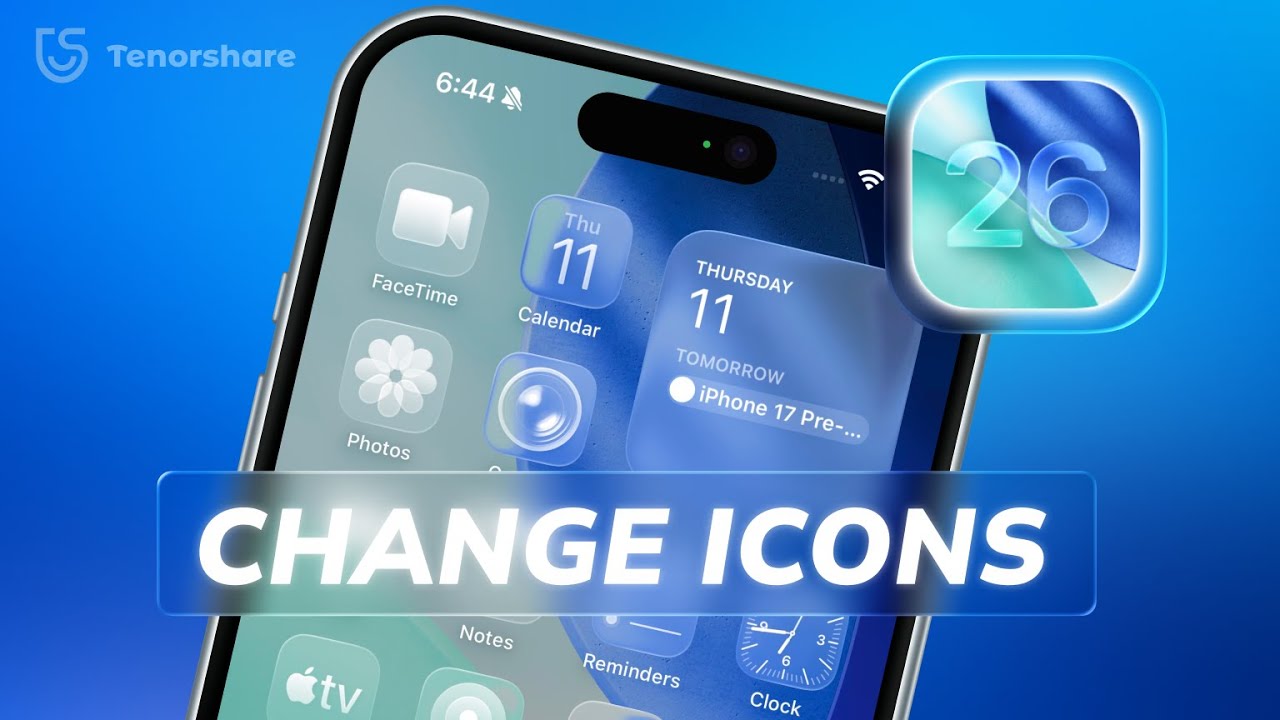
iOS 26.1 Brings Slider Feature for Alarms: Steps to Reclaim the ‘Stop’ Button

### Apple Allows You to Swap ‘Slide to Stop’ Gesture in iOS 26.1 for the Classic ‘Stop’ Button for Alarms and Timers

With the launch of iOS 26, Apple unveiled a major overhaul for alarms and timers on the Lock Screen. The updated interface offered larger ‘Stop’ and ‘Snooze’ buttons, designed to enhance tap convenience. However, this adjustment resulted in unintended effects, as several users reported mistakenly silencing their alarms.

To remediate this concern, iOS 26.1 introduced a fresh ‘Slide to stop’ gesture, replacing the old ‘Stop’ button. This change necessitates that users engage more deliberately when dismissing an alarm or timer, employing a traditional slider design that harks back to the original iPhone’s unlock feature.

While a segment of users values the new slider for its nostalgic aesthetics, others experience frustration, particularly those who favor the ease of a button. Acknowledging this input, Apple has provided an alternative to return to the conventional ‘Stop’ button.

In iOS 26.1, users can go to **Settings ⇾ Accessibility ⇾ Touch** to turn off the new slider. By activating the ‘Prefer Single-Touch Actions’ setting, the single-tap ‘Stop’ button will be restored, enabling a simpler alarm dismissal experience.

This feature is part of a wider initiative in iOS 26.1 to provide customizable settings, accommodating diverse user preferences.

What do you think about the new slider for alarms in iOS 26.1? Will you revert to the ‘Stop’ button? Share your thoughts in the comments.

Read More
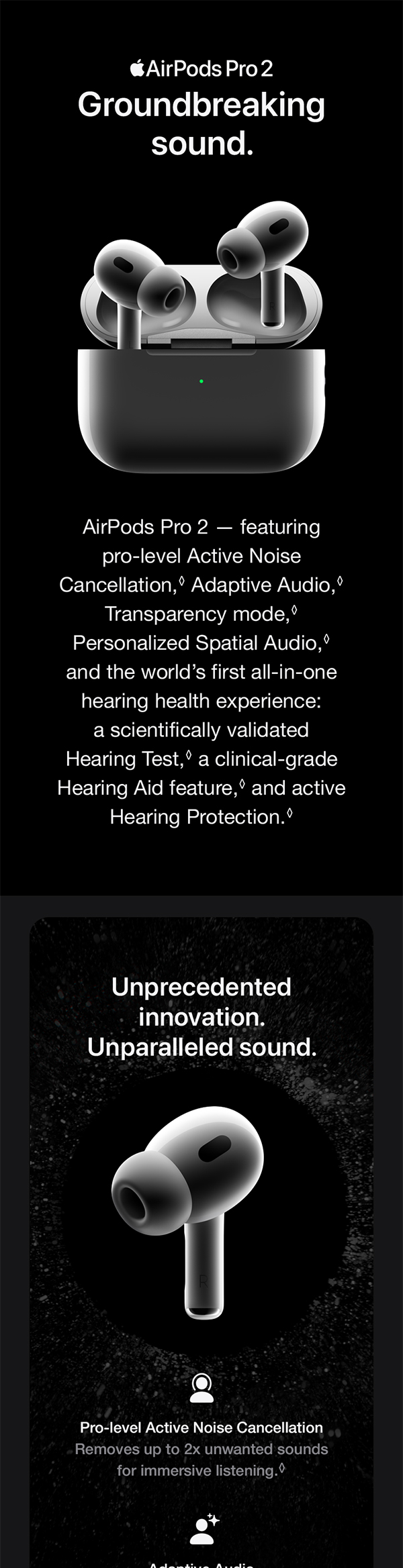
iOS Function Enables Personalization of AirPods Audio

positively acclaimed AirPods Pro 3 are the latest noise-canceling earbuds from Apple, excelling at ensuring your workday remains free from distractions. However, aside from the array of audio presets available in iOS, is there another method to tailor the sound of your AirPods? Indeed, there is, and it doesn’t necessitate downloading an additional application.

With the Headphones Accommodation feature found in iOS and iPadOS 14 or newer, you can finely adjust your AirPods for a more customized listening experience. The AirPods models that are compatible include AirPods 2, 3, and 4; AirPods Max; AirPods Pro 1, 2, and 3; along with Apple EarPods (featuring a 3.5mm headphone plug or Lightning connector). Additionally, Beats Fit Pro, Beats Solo Pro, Powerbeats, Powerbeats Fit, Powerbeats Pro, and Powerbeats Pro 2 are also supported.

To begin, take your iPhone or iPad and navigate to Settings, then Accessibility, followed by Audio & Visual, and finally Headphone Accommodations. Turn it on, then decide whether you want Accommodations to apply to Phone, Media, or both. After that, you’ll have the option to use the Custom Audio Setup tool to calibrate your AirPods (these settings can also be adjusted manually).

Forge sound that’s genuinely yours on your AirPods

Epic Games’ Fortnite Makes a Comeback on the Play Store as a Successful Battle Royale Game

Guess who has made a comeback.

Fortnite
(Image credit: Epic Games)

Key information

  • Epic Games’ hit battle royale, Fortnite, has made its way back to the Google Play Store after being removed during its antitrust dispute with the platform.
  • Tim Sweeney, the founder and CEO of Epic, shared the news of the game’s return on X earlier today (Dec 11), along with the official Fortnite account.
  • The Epic v Google case focused on the anticompetitive actions of the Play Store dating back to 2020, culminating in a victory for Epic in August.

Disclaimer

Read More

Opera’s Agentic Browser Neon Now Accessible to the General Public

**Opera Neon: The AI-Driven Browser Now Open for Subscription**

After a phase of restricted waitlist access, Opera Neon, the firm’s subscription-based AI-driven browser, is now widely accessible. Here’s what it offers.

### No Waitlist, But $20/Month

Several months back, Opera introduced Neon, an experimental browser aimed at users who are comfortable with the concept of AI-enhanced (or even AI-led) web exploration.

Opera describes Neon in this manner:

> “Opera Neon is an agentic browser tailored for AI power enthusiasts. Unlike conventional web browsers, Opera Neon utilizes AI agents to execute tasks and even code web applications instead of merely presenting web pages. It also provides its users with access to the latest high-end models, including Gemini 3 Pro and GPT 5.1.”

Initially, the launch was available through a restricted waitlist, which Opera has been eliminating while refining Neon based on initial user insights.

Currently, Opera has removed the waitlist, allowing anyone to download and utilize Neon, provided they are prepared to subscribe at $19.90 per month, which also grants access to a Discord community.

Here’s Krystian Kolondra, Opera’s Executive Vice-President of Browsers, regarding today’s announcement:

> “Opera Neon is a product designed for individuals eager to be at the forefront of the latest AI technology. It’s an evolving project with substantial updates released each week. We’ve been developing it with our Founders community for some time and are now thrilled to share early access with a broader audience.”

### Key Features of Opera Neon

The AI-powered functionalities of Opera Neon encompass:

– **Tasks:** Independent workspaces that grasp context and enable the AI to evaluate, contrast, and act across multiple sources simultaneously.

– **Cards:** A feature that allows users to save commonly used prompts to enhance repetitive browsing tasks.

– **Do:** Neon’s agentic browsing function, which navigates on behalf of the user.

– **Make:** A handy tool that generates widgets, self-sufficient apps, and reports based on information supplied by the user or after a web search.

– **Deep Research and 1-Minute Research:** Agentic features that decompose a user’s query into parallel tasks when the request necessitates investigation beyond a basic search engine inquiry.

Opera Neon integrates with GPT-5.1, Gemini 3 Pro, Nano Banana Pro, Veo 3.1, Sora 2, and additional models to manage automation, organization, summarization, and related tasks associated with browsing.

To discover more about Opera Neon,

Read More
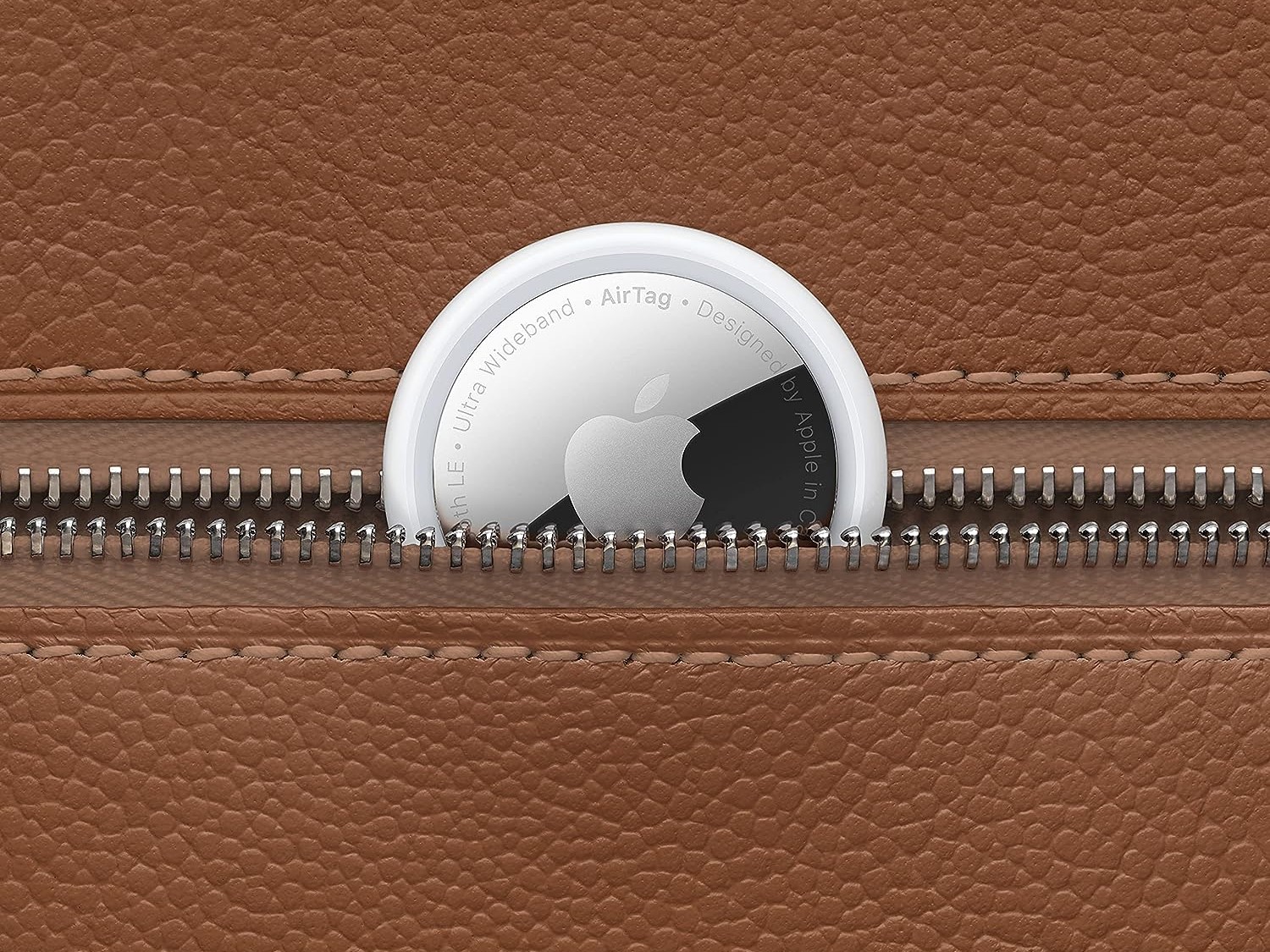
Future Releases: AirTag 2, iPhone 18 Improvements, and Studio Display 2

# Apple Rumor Replay: Latest Updates on iPhone 18, AirTag 2, and More

This week’s edition of Rumor Replay at 9to5Mac presents thrilling news regarding forthcoming Apple products, featuring the awaited iPhone 18, the next-gen AirTag 2, and upgrades to the Apple Studio Display. Here’s an in-depth exploration of the latest speculations.

## iPhone 18: Face ID Beneath the Display

Recent disclosures from Weibo leaker Smart Pikachu indicate that the iPhone 18 will incorporate a groundbreaking under-display Face ID technology. This innovation employs “micro-transparent glass panels” to embed Face ID directly under the display, potentially negating the necessity for a notch or cutout.

While the exact models that will benefit from this technology are still unclear, earlier reports suggest that the iPhone 18 Pro, Pro Max, and perhaps a foldable version will feature this advancement. This development raises questions regarding the future design of display cutouts, with predictions that the Dynamic Island might reduce in size or evolve into a single hole-punch cutout for the front camera.

## Apple Studio Display 2: Major Enhancements

Filipe Espósito from Macworld has disclosed that the forthcoming Apple Studio Display 2 will receive three notable upgrades:

1. **A19 Chip**: Boosting performance and capabilities.
2. **120Hz ProMotion**: Allowing for more fluid visuals and enhanced responsiveness.
3. **HDR Support**: Improving the display’s color and contrast for a superior viewing experience.

These features were unveiled in a pre-release build of iOS 26, signifying Apple’s commitment to modernizing its display products. Moreover, there are aspirations for an upgraded front camera, possibly implementing the iPhone 17’s Center Stage technology to rectify prior issues.

## AirTag 2: Improved Features

Filipe Espósito also disclosed various enhancements for the upcoming AirTag 2, as identified in leaked iOS 26 code. The enhancements comprise:

– A refined pairing process.
– Enhanced Precision Finding capabilities.
– Detailed battery level reporting.
– A feature named “Improved Moving” for superior tracking during movement.
– More precise tracking in busy environments.

These updates imply that Apple is concentrating on perfecting the AirTag experience, enhancing its current strengths rather than completely revamping the product.

## Intel’s Involvement in Future iPhone Chips

In a significant change, analyst Jeff Pu has observed that Intel may start manufacturing A-series chips for Apple’s budget iPhones beginning in 2028. This collaboration could diversify Apple’s chip manufacturing sources, decreasing reliance on TSMC and possibly reducing costs for consumers. The emphasis will be on non-pro smartphone system-on-chip (SoC) models, such as the A19 chip.

## Conclusion

This week’s Apple rumors underscore the company’s continuous innovation and dedication to improving user experience across its range of products. From the iPhone 18’s under-display Face ID to the enhanced features of the AirTag 2 and the expected upgrades in the Apple Studio Display, Apple is persistently advancing the frontiers of technology. As these developments progress, they are set to influence the future of Apple’s product ecosystem.

Read More
Apple Triumphs in Legal Battle Against Charging Fees on External Purchases from iOS Applications

**Apple’s Commission on Online Purchases: Court Verdict and Consequences**

In a noteworthy legal turn, Apple has successfully lifted a comprehensive prohibition on levying commissions for online purchases initiated via links in iOS applications. This verdict is part of the continuing legal struggle between Epic Games Inc. and Apple Inc., which has raised essential inquiries regarding app store regulations and commission frameworks.

### Case Background

The case, Epic Games Inc. v. Apple Inc., focused on claims that Apple breached anti-steering statutes by imposing a significant 27% commission on transactions conducted through external links in iOS apps. This commission was viewed as excessive and formulated to dissuade developers from guiding users to alternative payment options outside of Apple’s in-app purchase mechanism.

### Ruling from the Court

The recent judicial decision recognizes that while a complete prohibition on commissions is not justified, the commission rates must not be obstructively high. The court criticized Apple’s earlier commission framework, implying it was designed to deter the usage of external links. Consequently, Apple is presently restricted from enforcing any commission on linked purchases until a suitable rate is established through negotiations with Epic Games or determined by the court.

### Implications for the Future

The ruling does not promptly restore Apple’s capacity to charge commissions on linked purchases. Instead, it underscores the necessity for a balanced approach that allows for just compensation while fostering competition. The court has also decided that Apple can mandate that any buttons, links, or calls to action for alternative payment options must not surpass the prominence of Apple’s in-app purchase choices, guaranteeing an equitable environment for all developers.

### Consequences for Epic Games and the App Store

This ruling bears significant ramifications for Epic Games, which has been pushing for improved conditions for developers on the App Store. Following the court’s earlier decision in April, Epic was permitted to present its in-app purchase alternatives, culminating in the return of Fortnite on the U.S. App Store. The game has since attained popularity, ranking among the leading downloaded apps of 2025.

### Final Thoughts

The court’s ruling signifies a crucial juncture in the continuing conversation regarding app store regulations and developer rights. As Apple and Epic Games approach negotiations for a fair commission rate, the outcome is likely to shape the wider landscape of digital commerce and app distribution. The complete court decision can be accessed

Read More